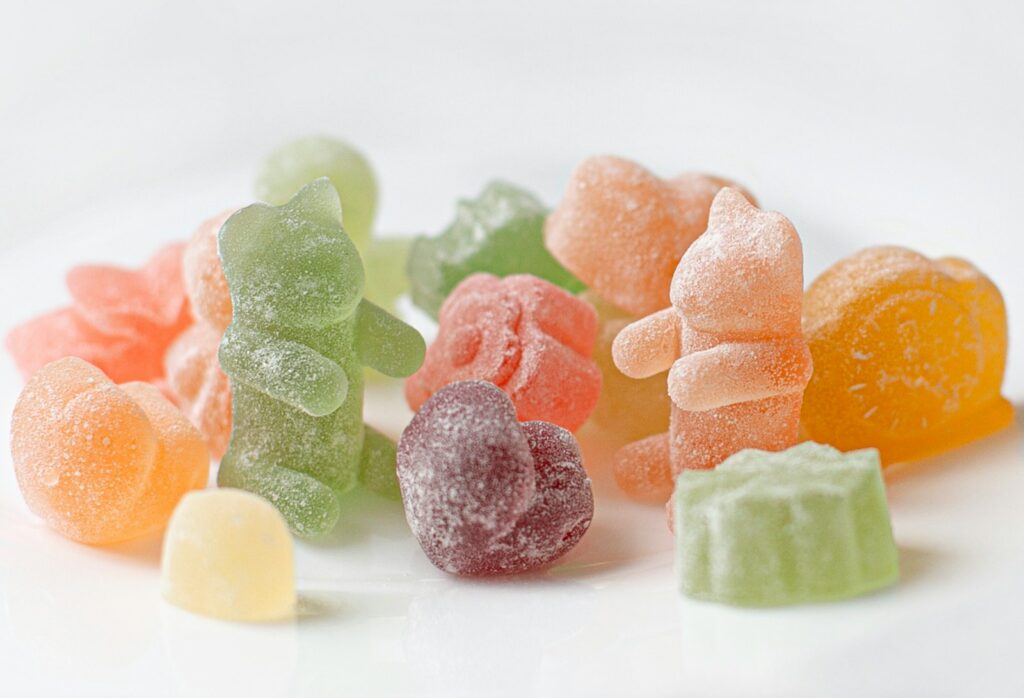
How To DIY Your Own CBD Gummies

orange green and pink candies

CBD , or cannabidiol , has gained significant popularity for its potential health benefits, such as anxiety relief and pain relief, making it a sought-after ingredient in wellness products.

This guide will help you understand CBD , its effects, and the advantages it may offer.

Learn how to pick the best ingredients for your needs, such as gelatin, sweeteners, and flavoring, to make your own homemade CBD gummies , including types of CBD and dosage recommendations.

Follow a step-by-step guide to create delicious homemade gummies using an easy recipe, and find tips for proper storage and use to keep it fresh for as long as possible.

Get ready to elevate your wellness routine with this delightful treat!

Understanding CBD and its Benefits

Knowing about CBD and how it can help is important in our health-conscious society. Many people now use this substance from cannabis to find relief and calmness.

Cannabidiol (CBD) is a non-psychoactive cannabinoid derived from hemp, known for its potential health benefits, including anxiety relief and pain management.

As an experienced user of CBD products, I’ve found how these wellness items can be important for improving overall well-being, especially for those looking for natural options for stress relief and health.

What is CBD and How Does it Work?

CBD, or cannabidiol, is one of the primary compounds found in cannabis, renowned for its therapeutic properties and non-psychoactive nature. Its extraction method and strain selection can influence the potency and effects of the final product. Unlike THC, CBD does not produce a ‘high,’ making it a popular choice for those interested in the health benefits of cannabis extract without the intoxicating effects. It connects with the body’s endocannabinoid system, which is important for keeping balance and general health.

This system comprises receptors located throughout the body that help regulate various functions, including pain perception, mood, appetite, and immune response.

When CBD is introduced, it modulates these receptors, potentially offering relief for a variety of health conditions such as anxiety, chronic pain, and inflammation.

People often look for products without THC to prevent any mind-altering effects and to follow specific rules or personal choices.

The cannabinoid profile of a CBD product is important because it determines the mix of CBD and other helpful compounds, including terpenes, providing a personalized approach to wellness for each person.

Potential Health Benefits

CBD has caught a lot of interest for its possible health benefits, especially for people looking for help with anxiety and pain relief. A lot of people, including myself, have noticed big improvements in clear thinking and better mood, making CBD a well-liked herbal supplement for those wanting to improve their overall health. Research into its effects continues to grow, shedding light on its versatility and therapeutic applications, making it a popular choice in the cannabis community.

Specialists say that the amount of CBD you need is important because it can differ a lot between people. This depends on things like your body weight and the specific problem you are treating.

Making sure products are safe is very important because not all CBD products are the same. Checking in a lab and testing the strength make sure the product does not have dangerous substances and actually has the amount of CBD it claims.

User testimonials often highlight how the right amount can bring significant benefits, from reducing chronic pain to improving sleep quality.

Therefore, knowing how to pick good CBD products and finding the right dosage is important for anyone wanting to get the most out of it.

Choosing the Right Ingredients

Picking the right ingredients is important for homemade CBD gummies because it affects their taste, feel, and effectiveness.

By choosing good CBD oil and mixing it with natural ingredients like gelatin, sweeteners, and flavors, you can make tasty and useful gummies that fit your personal tastes and wellness needs.

Thinking carefully about how much you take and choosing products without THC will give you a good and helpful experience.

Types of CBD and Recommended Dosage

Knowing the different types of CBD is important to find the right dose for you, as various products can differ in strength and how well they work. From oils and tinctures to gummies and creams, each type of CBD offers unique benefits, allowing users to find the most suitable option for their desired health benefits.

As someone who has navigated these choices, I recommend carefully evaluating the potency and starting with lower dosages to gauge your response.

For instance, oils and tinctures are often favored for their quick absorption and ease of use, making them a great starting point. Many users have found that beginning with a dropper’s worth under the tongue provides a good baseline experience.

Instead, snacks like gummies provide a set amount and tasty flavor, which some people might choose for relief. It’s also helpful to keep a dosage journal to track effects over time.

By taking notes on how different types of CBD impact your well-being, it becomes easier to fine-tune your approach and identify what works best for you.

Other Ingredients to Consider

When making your CBD gummies, think about other ingredients besides CBD oil to create a tasty and healthy snack. Factors such as flavoring, sweeteners, and potential allergens can significantly impact the overall user experience and satisfaction with your homemade edibles.

As someone who enjoys experimenting in the kitchen, I find that choosing natural ingredients allows for endless flavor combinations while catering to dietary restrictions and preferences.

To improve the flavor, you can mix in fruit purees, essential oils, or herbal infusions, considering the infusion time for optimal taste and aroma. These improve flavor and offer additional health advantages.

For sweeteners, you can choose honey, agave syrup, or sugar substitutes like stevia or monk fruit for sugar-free diets.

Being mindful of allergens—such as gluten, nuts, or dairy—ensures that the treats can be enjoyed by a wider audience.

Choosing vegan options can make meals more attractive, fitting with various diets while still being tasty and having a good texture.

Careful selection of ingredients can improve the enjoyment of these CBD treats.

Step-by-Step Guide to Making CBD Gummies: A DIY Approach
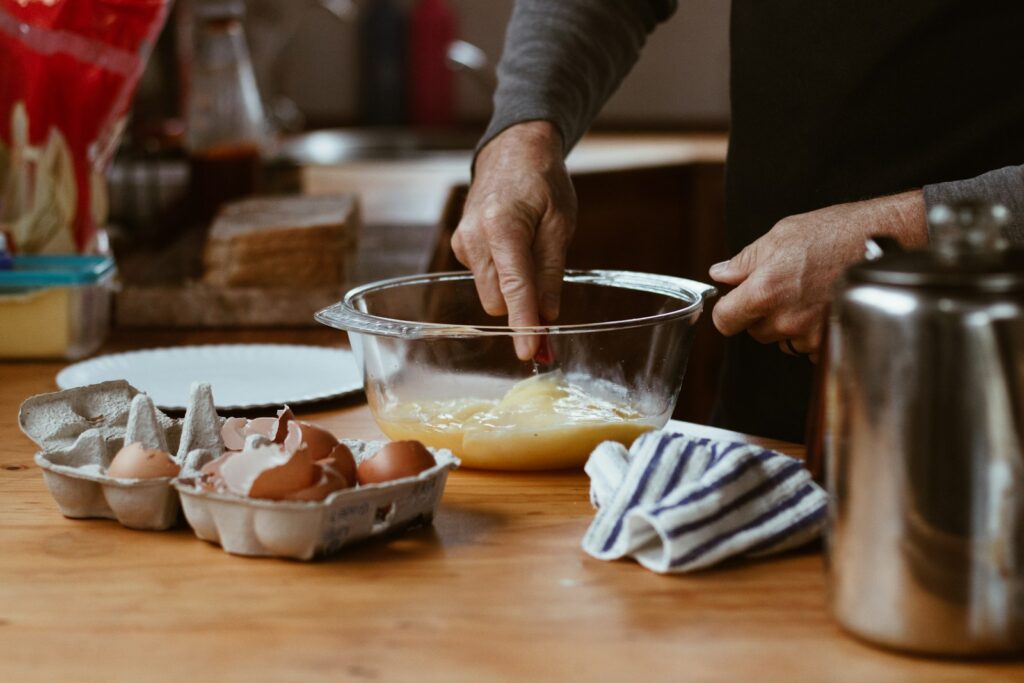
person holding clear glass bowl with brown liquid

Making your own CBD gummies (or buying them)can be a fulfilling activity. It combines cooking skills with health perks and lets you try making options at home instead of buying them.

In this step-by-step guide, I’ll walk you through the entire gummies recipe, from the infusion process to the final molding and cooling, ensuring you have the right kitchen equipment and techniques to achieve the desired gummy texture.

By the end, you’ll be able to enjoy homemade edibles that are as delicious as they are beneficial.

Preparing the Ingredients

Getting the ingredients ready is the first important step in making CBD gummies, as it is essential for the recipe to turn out well. Begin by measuring out the necessary quantities of gelatin, CBD oil, flavor extracts, and any sweeteners you wish to use, ensuring that each component is accurately accounted for to achieve the best gummy texture and taste. Take your time during this step to make sure the mixing goes smoothly later.

Selecting quality ingredients is paramount, as the final product will heavily depend on the standards of what goes in.

For example, using top-grade CBD oil, perhaps from a tincture, makes sure the gummies provide the health benefits you want and also improves their taste. Consider experimenting with different natural flavor extracts, such as fruit or mint, while being mindful of the sweetness level to find the perfect balance.

Using pure honey or agave syrup can improve the flavor without using artificial sweeteners, creating a healthier snack. Ensuring every ingredient is fresh and sourced from reputable suppliers, while considering dietary supplements and nutritional value, will reflect in the texture and taste of the final gummies, ultimately providing a more enjoyable experience.

Mixing and Pouring the Gummy Mixture

Mixing and pouring the gummy mixture is where the magic happens in your CBD gummies creation, transforming your carefully prepared ingredients into a chewy and delectable edible treat. Using a heat-resistant bowl, combine the gelatin with your chosen sweeteners and flavor extracts, ensuring everything is well mixed before adding the CBD oil. Once your mixture is homogeneous, pour it into your molds, aiming for a consistent gummy texture that will delight your taste buds.

This step is essential for creating a smooth and consistent mix that determines the quality of the gummies. Pay close attention during mixing; an uneven distribution can result in an inconsistent flavor and texture, which may not meet expectations.

To pour effectively, use a gentle and steady hand to fill each mold evenly. This avoids bubbles and makes sure each piece has the same smooth shape.

Choosing the right molds, whether they be fun shapes or classic bites, also contributes to the visual appeal, making the final product not just tasty, but enticing as well.

Adding CBD and Final Touches

Adding CBD and the final touches to your gummies is an exciting moment that brings your culinary creation to life, ensuring each gummy has the desired medicinal and recreational properties. Once the mixture has cooled slightly, it’s time to add your CBD oil, ensuring that it’s evenly distributed throughout the mixture, which helps maintain potency in each gummy. After carefully pouring your infused mixture into molds, allow them to cool completely before removing them for storage.

This step is important because if the mixture is not spread evenly, some gummies may work differently than others. This makes it hard to control the amount of the active ingredient.

Once the gummies have set, consider placing them in an airtight container to preserve their freshness and chewy texture. Storing them in a cool, dark place is also essential for maintaining the potency of the CBD and the cannabidiol’s health benefits.

Avoid exposing your gummies to heat or direct sunlight, as these elements can degrade the quality over time. By following these storage tips, you can keep the taste, appearance, and therapeutic benefits of your CBD-infused gummies for weeks.

Tips for Storing and Using CBD Gummies

Properly storing and using your CBD gummies is essential for preserving their freshness, potency, and ensuring you enjoy their full health benefits over time.

Once your gummies have set, store them in an airtight container, ideally in a cool, dark place to maximize shelf life and maintain their medicinal efficacy. Consider using packaging that children cannot easily open if you have young kids at home, to keep these wellness treats safe and secure.

Proper Storage Techniques

Implementing proper storage techniques for your CBD gummies is key to maintaining their quality and prolonging their shelf life. Once your gummies have cooled and set, place them in an airtight container away from light and heat, as these factors can degrade the quality of the CBD, the texture, and the natural aroma of the gummies over time. By following these steps, you can keep your homemade treats tasty and useful.

Humidity is important for keeping the gummies in good condition. A cool, dry place is ideal, as excess moisture can lead to mold growth or a sticky consistency, affecting the overall quality of these edible homemade alternatives.

To assess whether the gummies have gone bad, check for any changes in texture, such as becoming overly soft or tacky, and look for discoloration or visible mold. Observing these factors ensures safety and quality control in your homemade edibles.

To maximize their shelf life and preserve the therapeutic effects, consider refrigerating your CBD gummies, though it’s essential to allow them to reach room temperature before sealing them to prevent condensation.

Following these guidelines will help keep your tasty treats fresh and effective, ensuring they retain their intended potency and health benefits over time.

Recommended Dosage and Usage

Determining the recommended dosage and usage of CBD gummies is essential for achieving the desired health benefits, such as anxiety relief, and it may vary depending on individual needs. Through trying different amounts, I’ve learned that beginning with a small dose and slowly raising it helps find the best amount for your personal health experience. Keep in mind to always consult with a healthcare professional before making any significant changes to your dosage.

In the area of CBD, several elements can greatly affect the suggested dose. Each individual’s unique health conditions, such as anxiety, pain, or sleep disorders, may necessitate different approaches to usage, highlighting the importance of personalized tincture formulations.

The desired effects, whether for relaxation, pain relief, or sleep enhancement, further complicate the equation. Knowing your health condition and what you want to achieve is very important, and can be influenced by factors such as strain selection and cannabinoid profile.

Educating consumers is important for guiding users to choose the right CBD treatments. It assists them in determining correct dosages and selecting products carefully, ensuring their health plan is safe and effective. This education includes learning about infusion techniques and possible legal issues in the cannabis community.

Frequently Asked Questions

1. What ingredients do I need to make my own CBD gummies?

To make your own CBD gummies, you will need CBD oil or isolate, gelatin, fruit juice, sweetener, and a silicone mold. You can also add in other ingredients like vitamins, herbs, or flavoring for added health benefits and taste. This DIY recipe allows for creativity and customization based on personal preference.

2. How do I calculate the amount of CBD in each gummy?

To determine the amount of CBD in each gummy, you will need to know the total amount of CBD in the entire batch of gummies and the number of gummies made. Simply divide the total amount of CBD by the number of gummies to get the amount in each one, ensuring proper dosage and potency for your homemade edibles.

3. Can I use any type of fruit juice for my gummies?

Yes, you can use any type of fruit juice to make your CBD gummies. Popular options include orange, pineapple, and grape juice. Just make sure to choose a juice that complements the flavor profile of your CBD oil or isolate.

4. How long do CBD gummies take to set?

CBD gummies typically take 1-2 hours to fully set in the fridge. However, the time may vary depending on the temperature and humidity in your kitchen, as well as the infusion time for optimal potency. You can also speed up the process by placing them in the freezer for 30 minutes.

5. Can I make vegan CBD gummies?

Yes, you can make vegan CBD gummies by using agar powder instead of gelatin. Agar is derived from seaweed and is a suitable vegan and gluten-free alternative for setting gummies. You can also substitute honey or agave for traditional sweeteners, ensuring your gummies align with dietary supplements standards.

6. How should I store my homemade CBD gummies?

To keep your CBD gummies fresh and potent, store them in an airtight container in the fridge. They should last for up to 2 weeks, but you can also freeze them for longer storage. Just make sure to wrap them tightly in plastic wrap before placing them in the freezer to maintain their health benefits and desired effects.

This article is thanks to Quiet Monk. If you would prefer not to make your own then head on over to our friends website to get your own jar of gummies.
Why Wellness Is Becoming the New Ingredient in Everyday Living

For years, conversations around food centered on flavor, convenience, or nutrition. Today, there’s another factor shaping how many people make decisions in the kitchen: wellness.

Consumers are becoming increasingly interested in ingredients and routines that help them feel their best, whether that’s preparing healthier meals, exploring functional foods, or incorporating plant-based products into their daily lives. The focus has shifted from simply eating well to creating habits that support long-term wellbeing.

For many, food is no longer just fuel—it’s part of a broader wellness lifestyle.

The Rise of Functional Ingredients

Walk through almost any grocery store or specialty market, and you’ll notice products promoting ingredients that offer more than basic nutrition.

Adaptogens, medicinal mushrooms, collagen, turmeric, ginger, fermented foods, and hemp-derived cannabinoids have all gained popularity among consumers looking for ways to support everyday wellness.

While each ingredient serves a different purpose, they all reflect the same trend: people want foods and products that fit into a healthier lifestyle.

For cannabis enthusiasts, this has also led to growing interest in CBD-infused recipes, hemp-based ingredients, and non-intoxicating wellness products that complement an overall balanced routine.

Cannabis and Culinary Creativity

Cooking with cannabis has evolved well beyond traditional brownies and baked goods.

Today’s home chefs are experimenting with carefully dosed oils, infused sauces, beverages, desserts, and terpene-inspired recipes that highlight flavor as much as functionality. Understanding how cannabinoids and aromatic terpenes interact with herbs, spices, citrus, and fresh ingredients has opened an entirely new world of culinary possibilities.

Whether someone prefers THC-infused dishes where legally permitted or enjoys cooking with CBD-rich ingredients, the emphasis has increasingly shifted toward quality, consistency, and intentional use.

Wellness Extends Beyond the Dinner Table

Nutrition is only one piece of a healthy lifestyle.

Many people are also paying closer attention to movement, sleep, stress management, and physical recovery. Rather than viewing these as separate goals, they’re beginning to see them as connected parts of overall wellbeing.

This growing interest is reflected in the expanding recovery market, where consumers are investing more in products and routines that help them stay active and comfortable throughout their daily lives. A recent feature explores why Americans are spending more on recovery, highlighting how wellness has become a priority across many aspects of everyday life.

It’s another example of how modern consumers are thinking beyond treating problems after they occur and instead embracing habits that support long-term health.

Building Better Daily Habits

No single ingredient or recipe can replace a healthy lifestyle, but small choices made consistently can make a meaningful difference over time.

Many wellness-minded individuals focus on habits such as:

  • Preparing more meals at home using fresh ingredients.
  • Staying properly hydrated throughout the day.
  • Incorporating herbs and functional botanicals into recipes.
  • Maintaining regular physical activity.
  • Prioritizing quality sleep and recovery.
  • Choosing products that align with their personal wellness goals.

Together, these habits create a sustainable approach that supports both body and mind.

The Future of Cannabis Cuisine

As research continues and consumer education improves, cannabis is finding its place alongside other functional ingredients in modern kitchens.

Rather than being viewed solely as recreational, hemp-derived products are increasingly becoming part of conversations about cooking, flavor exploration, and everyday wellness. Combined with fresh ingredients and mindful eating, they offer new opportunities for creativity while reflecting the broader movement toward healthier living.

The future of cannabis cuisine isn’t simply about what’s on the plate—it’s about creating experiences that nourish, inspire, and support overall wellbeing.

How I Built a Weekly, Camera-Ready Meal Plan for My Creator Friend

My real plan for a creator friend: flavorful meals, photo-day tweaks, terpene pairings, and optional CBD/THC infusions

Meet “Maya” (pseudonym)

Maya is a lifestyle and Asian Only fans creator with a warm, PG-13 vibe—think strength training, morning routines, and recipes that actually taste good. She shoots long-form sets twice a week, keeps her public feeds clean and upbeat, and treats food as part of her brand: colorful, simple, and plated beautifully.

What she asked me for: stable energy on filming days, minimal bloat before shoots, and meals she’d be excited to eat (not “diet food”). Because she sometimes uses adults-only platforms to post to her premium content, we set clear guardrails around optional CBD/THC—strictly evenings and always measured.

Quick profile (so the plan makes sense):

  • Content niche: Wellness, light fitness, “day-in-the-life” aesthetics (PG-13 on public feeds; premium is more editorial than explicit).
  • Shoot rhythm: Wednesdays & Saturdays are camera days; Tuesdays/Fridays are light prep; Sundays reset.
  • Aesthetic goals: Look fresh (not flat), keep sodium in check the night before shoots, lean on citrus & herbs over heavy sauces.
  • Food preferences: Mostly pescatarian + poultry; dairy okay, but heavy cream is a pre-shoot no; loves anything green, lemony, and herb-forward.
  • Known triggers: Salty takeout, late caffeine, and giant raw-crucifer salads right before filming.
  • Hydration: 2–2.5 L/day; first glass on shoot mornings gets a pinch of salt.
  • Cannabis routine (optional):
    • CBD: 25–40 mg on stressful evenings for wind-down/recovery.
    • THC: Micro-dose (1–2.5 mg) only after shoots, paired with a protein snack.
    • Always labeled, measured, and stored safely; never before work or driving.

The Core Rules I Used

  1. Plate method, not punishment: Half veg, quarter protein, quarter smart carbs + a little healthy fat.
  2. Timing wins: Any THC only after dinner; CBD allowed evenings or post-workout.
  3. Photo-day tweaks: Potassium-forward foods (potatoes, bananas, yogurt), lighter sauces, watch salt the night before.
  4. Terpene-first flavors: Limonene (bright citrus), pinene (herbal), myrcene (earthy), linalool (floral) as our seasoning compass.

Batch-Prep Sunday (90 Minutes, Zero Drama)

  • Proteins: Roast chicken breasts or press/sear tofu (4–6 portions).
  • Carbs: Pot of quinoa + tray of baby potatoes.
  • Veg: Sheet pans of broccoli, zucchini, carrots; wash greens.
  • Sauces (small jars): Lemon-tahini; herb yogurt (mint/dill); quick salsa verde.
  • Optional infusions:
    • CBD honey: whisk tincture into warm honey; label mg/teaspoon.
    • Infused finishing oil (very low dose): olive oil + measured THC; label mg/teaspoon and keep locked.

The Week at a Glance

(Breakfast / Lunch / Snack / Dinner; “Infusion” is always optional and precisely measured.)

Monday (Bright & Citrus — Limonene)

  • B: Greek yogurt parfait (berries, chia) + citrus zest
  • L: Lemon-chicken quinoa bowl, arugula, cucumber, lemon-tahini
  • S: Apple + 2 tbsp peanut butter
  • D: Citrus-herb salmon, roasted broccoli, crispy potatoes
  • Infusion: None by day; CBD honey in mint tea after work

Tuesday (Herbal & Crisp — Pinene)

  • B: Avocado toast with lemon + parsley; side cottage cheese
  • L: Chilled pea-mint soup + seared tofu, pumpkin seeds
  • S: Hummus, carrots, cucumbers
  • D: Rosemary chicken (or tempeh), zucchini ribbons, quinoa
  • Infusion: Skip THC; CBD 25–40 mg before bed

Wednesday (Shoot-Day Light)

  • B: Yogurt + small banana + mint; 12–16 oz water with a pinch of salt
  • L: “De-bloat” salad: greens, grilled chicken/tofu, tomatoes, citrus vinaigrette (light on salt)
  • S: Rice cakes + turkey roll-ups or almonds
  • D: Seared white fish (or tofu), lemon-caper pan sauce, steamed potatoes, green beans
  • Infusion: If desired, micro-THC 1–2.5 mg only after dinner; pair with protein snack

Thursday (Earthy & Umami — Myrcene)

  • B: Oats with blueberries, cinnamon; dollop of yogurt
  • L: Portobello “steak” strips, farro, roasted carrots, salsa verde
  • S: Cottage cheese + pineapple
  • D: Turkey meatballs (or lentil patties), tomato-rosemary sauce, polenta
  • Infusion: None by day; CBD post-workout

Friday (Floral Finish — Linalool)

  • B: Lavender-vanilla chia cup (culinary lavender, used lightly)
  • L: Citrus shrimp (or tofu) tacos, cabbage slaw, yogurt-lime sauce
  • S: Grapes + handful of pistachios
  • D: Garlic-lemon chicken, blistered tomatoes, quinoa tabbouleh
  • Infusion: Tiny THC finishing oil on tabbouleh (≤1 mg/teaspoon), clearly labeled

Saturday (Shoot-Day or Social-Day)

  • B: Protein smoothie (yogurt, banana, spinach, ice); coffee light on sugar
  • L: Potato-greens bowl, poached egg, olive oil + lemon
  • S: Rice crackers + herbed ricotta
  • D: Charred salmon (or tempeh), citrus-fennel salad, roasted potatoes
  • Infusion: If celebrating after work, micro-THC 1–2.5 mg only; lights out in 2–3 hours

Sunday (Comfort & Reset)

  • B: Scrambled eggs with herbs; toast; berries
  • L: Big salad: mixed greens, leftover proteins/veg, lemon-tahini
  • S: Dark chocolate square + walnuts
  • D: One-pot chicken (or chickpeas), lemon, olives, potatoes
  • Infusion: CBD tea before bed to set up Monday

3 Terpene-Forward Recipes (Fast & Reliable)

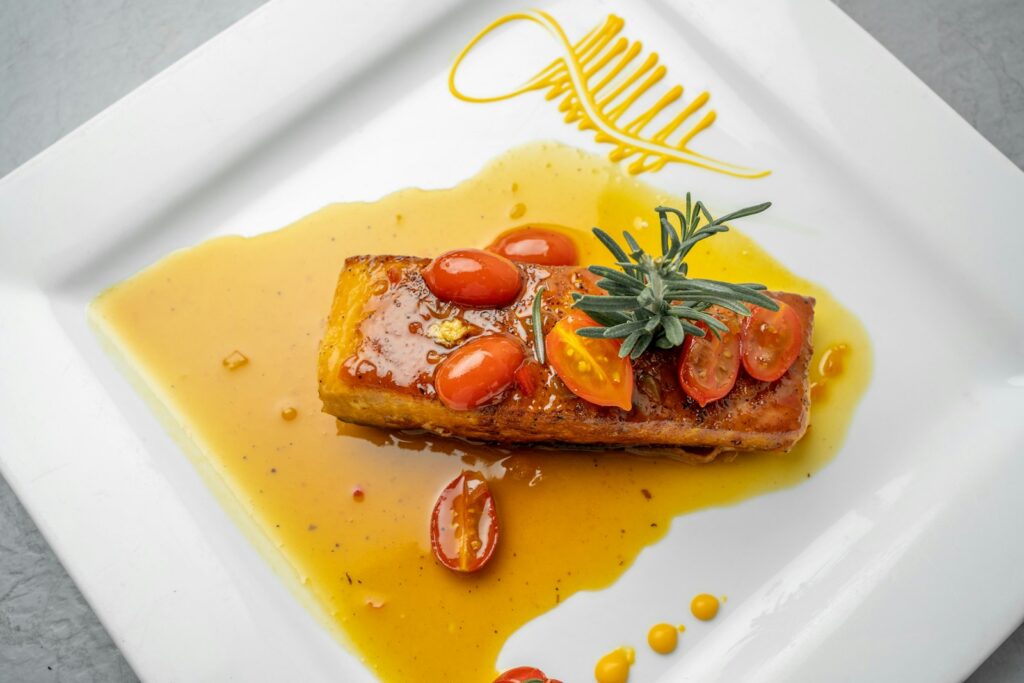
fish covered in tomatoes

1) Citrus Zest Salmon Traybake (Limonene)

Roast salmon + broccoli + thin potato rounds at 400°F for 15–18 minutes. Finish with lemon zest and parsley.
Why it works: Bright, low-bloat, and potassium-friendly.

2) Pea–Mint Soup with “Pine” Oil (Pinene)

Blend peas, veg stock, and a spoon of yogurt. Drizzle a strained rosemary “pine” oil.
Why it works: Herbal lift without heaviness; great pre-shoot.

3) Portobello “Steak” with Cocoa-Chile Jus (Myrcene)

Marinate caps in tamari + balsamic + garlic + cocoa nibs. Sear, slice, and plate with a quick ancho-cocoa reduction.
Why it works: Earthy depth that reads “gourmet” on camera.

Infusion note: If infusing, use finishing oils only—never guess. Label exact mg/portion. Offer non-infused versions for every dish.


Photo-Day Playbook (Copy/Paste)

  • Hydrate early (12–16 oz water + pinch of salt).
  • Keep breakfast modest, protein-forward.
  • Salt lightly the night prior; favor citrus, herbs, and vinegar over heavy sauces.
  • Walk 20–30 minutes for posture and color.
  • Any THC after work is done; pair with protein to prevent grazing.


Shopping List Snapshot

Greens, broccoli, zucchini, carrots, potatoes, tomatoes, cucumbers, berries, bananas, citrus, herbs (mint, parsley, dill, rosemary), Greek yogurt, cottage cheese, eggs, chicken/tofu/salmon, quinoa, oats, farro/polenta, olive oil, tahini, nuts/seeds, cocoa nibs, ancho chile, honey, lemons/limes.
Optional: CBD tincture; precisely measured THC finishing oil (clearly labeled, locked).


Responsible Use

Age-gate your content/meals. Label infused items with exact mg per portion. Store safely and separately from non-infused food. Don’t drive or operate equipment after consuming. Start low, go slow.

The potential health benefits of cooking with CBD

Curious about CBD, cannabidiol, and its culinary possibilities? This article explores everything you need to know about cooking and the edible CBD trend.

It starts by breaking down what CBD is and how it can be seamlessly incorporated into your favorite recipes. Discover the potential health benefits , such as inflammation reduction, pain management, and anxiety relief, enhancing your wellness lifestyle.

Key safety topics, like knowing the right amount to take and potential side effects, will be discussed, along with practical tips to make therapeutic cooking better and make sure you enjoy and get the most out of your time in the kitchen.

Improve your cooking skills with CBD, exploring infusion techniques and culinary uses!

Cooking with CBD: How it Works

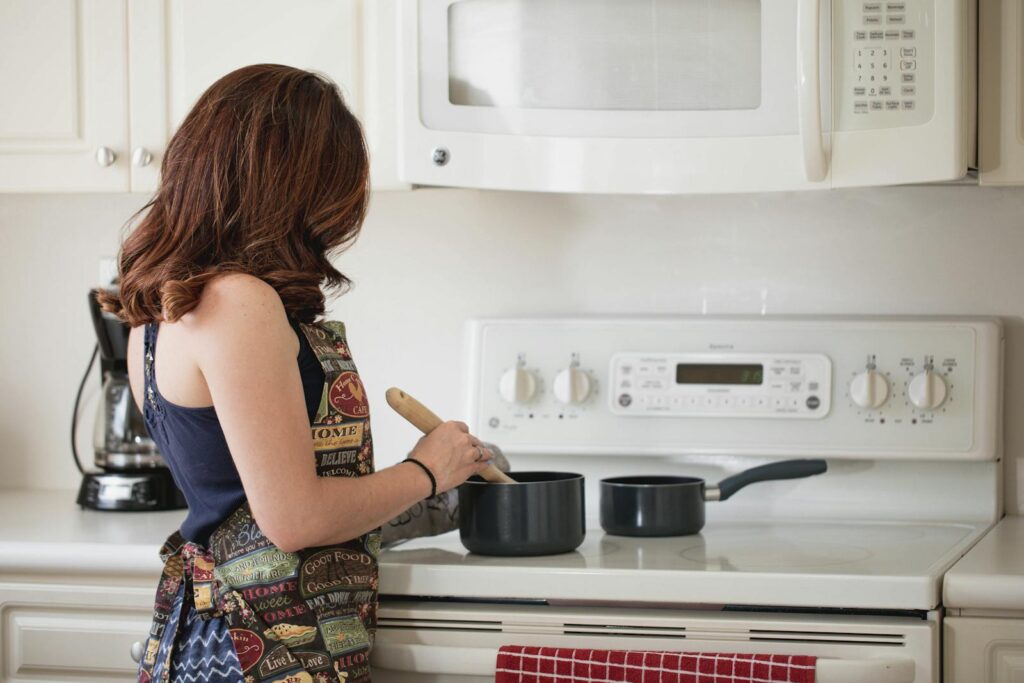
A woman in an apron cooks on an electric stove in a modern kitchen setting.

Adding CBD to your meals can make them tastier while also providing health benefits. To make the most of it, it’s important to understand how it works.

The process begins with the extraction of CBD from hemp oil, harnessing herbal extraction methods, where it can then be infused into various culinary creations, including savory dishes and sweet recipes, enhancing wellness cuisine.

The way you infuse and cook can greatly affect how strong and effective CBD is, allowing you to benefit from its healing properties while improving the taste of your dishes.

Methods of Incorporating CBD into Cooking

There are many ways to add CBD to your cooking, each with its own advantages and flavors that can improve your meals, such as enhancing the flavor profile and nutritional value. From using CBD tinctures to infusing your cooking oils, the versatility of CBD in the kitchen opens up a world of culinary innovation, wellness trends, and health optimization that can be both delicious and beneficial.

Using CBD in cooking allows you to learn about food science and try new things in the kitchen, whether you’re preparing gourmet dishes or basic side dishes. It’s an easy way to include wellness in your daily food.

For example, you can add a few drops of CBD tincture to salad dressings to improve flavor and nutrition. Infusing your favorite oils with CBD can provide a strong base for cooking or topping finished dishes.

Adding CBD to your baking can be great. You can mix it into brownies or cookies for a tasty snack that might also offer health benefits, including potential mood enhancement and anxiety relief.

Keep in mind the cooking temperature, as high heat may degrade the cannabinoids, so aim for lower heat methods to preserve their therapeutic properties.

By trying out different methods, adding CBD to your cooking can turn a regular meal into a healthy one.

Potential Health Benefits of Cooking with CBD

Many people are interested in cooking with CBD because it may help with health issues like anxiety, pain, and swelling.

With its anti-inflammatory properties and ability to interact with the endocannabinoid system, CBD can offer therapeutic effects that promote overall wellness.

Adding CBD to your cooking may help with ongoing pain and stress, making it a helpful part of healthy cooking and overall wellness practices.

Reducing Inflammation and Pain

One of the most notable health benefits of CBD is its potential to reduce inflammation and alleviate pain, making it a go-to option for those suffering from chronic pain conditions. Research suggests that CBD interacts with receptor systems in the body, which may help modulate pain signals and provide therapeutic effects that support overall health.

Adding CBD to your cooking lets you make dishes that taste great and can help with pain relief and overall wellness.

For example, adding CBD oil to homemade salad dressings or pouring it over roasted vegetables can improve nutrition and help relieve discomfort.

Consider creating delicious CBD-infused smoothies, blending fruits with spinach and a few drops of CBD oil, providing a refreshing start to the day that also helps soothe inflammation.

There are many inspiring testimonials from individuals who have found relief through culinary adventures with CBD; one individual shared how a simple pasta dish with infused olive oil helped manage their arthritis pain, transforming mealtime into a therapeutic experience.

Such stories illustrate the broader potential of culinary creativity in harnessing the benefits of CBD while indulging in flavorful, healthy eating.

Managing Anxiety and Stress

Thoughtful man in a bright room holding his glasses while leaning against a wall.

Managing anxiety and stress with the help of CBD has become a popular topic, as many individuals turn to natural remedies to support their mental well-being. The calming effects of CBD can promote relaxation and a sense of balance, making it an excellent addition to meals designed for stress reduction.

Cooking with CBD lets us make meals that nourish the body and calm the mind, promoting general health.

Integrating CBD into daily meals can be as simple as adding a few drops of CBD oil to salad dressings or smoothies. These small changes make cannabinoids more effective at improving the calming effects of a healthy diet.

Eating foods high in omega-3 fatty acids, like flaxseeds or walnuts, along with CBD can improve anxiety relief, creating a greater sense of calm.

Another practical tip is to bake with CBD-infused ingredients, creating delicious treats that serve as both comfort food and natural stress relief. By taking these thoughtful steps in the kitchen, one can create an environment that promotes emotional balance and resilience.

Improving Sleep Quality

For those struggling with sleep quality, CBD may offer a natural remedy to promote better rest and relaxation. By incorporating CBD into your evening meals or bedtime routines, it can help establish a sense of calmness that is conducive to sleep. The therapeutic effects of CBD can support a balanced sleep pattern, making it a beneficial addition to your health-conscious cooking repertoire.

CBD can have relaxing effects by interacting with cannabinoid receptors, which might lessen anxiety and stress that often interfere with sleeping well. When people experiment with different meal prep ideas using CBD, they might find new methods to better their bedtime routines.

Whether it’s a warm CBD-infused chamomile tea or a rich dessert made with CBD oil, integrating these culinary delights could pave the way for improved sleep cycles. Using these strategies improves one’s diet and creates a relaxing setting that helps with better sleep.

Safety Considerations when Cooking with CBD

When cooking with CBD, it’s important to focus on safety by looking at the right amount to use, making sure of good quality, and being aware of possible side effects.

In an industry with many different product labels, knowing how to check CBD products through lab testing and sourcing can help you make informed decisions.

Being mindful of these safety considerations will allow you to enjoy the full benefits of CBD without unwanted surprises.

Ensuring Proper Dosage and Quality

It’s important to get the right amount of CBD to get the most benefits and reduce any possible side effects, especially when adding it to your cooking. Learning how to measure and change dosages based on individual needs can greatly improve your cooking experience. Prioritizing quality assurance through reputable sources and lab testing can help you select the best products for your kitchen.

To determine the right dosage, one should consider factors such as body weight, metabolism, and overall health condition.

For instance, starting with a low concentration and gradually increasing it allows for a more personalized approach, enabling individuals to find the balance that works for them.

When following recipes, using exact measuring tools such as a kitchen scale or pipette can guarantee accuracy in making infused oils, butters, or other CBD ingredients.

Always opt for CBD products that offer third-party lab results, ensuring what you’re using is pure and free of harmful additives, supporting food safety and consumer awareness, thus enhancing the cooking experience while maintaining safety.

Tips for Cooking with CBD

Cooking with CBD can be an enjoyable experience, and having some tips can help you follow best practices and get the most out of your efforts.

From learning about flavor combinations to figuring out which dishes work well with CBD, these tips will help you prepare healthy meals that taste great and support your personal wellness and nutritional value.

Learning the rules of cooking with CBD can improve your results.

Dos and Don’ts for Cooking with CBD

To start cooking with CBD, learn how to use it correctly and avoid common mistakes to boost your creativity in the kitchen and to stay safe.

Learning how to use this special ingredient can improve both the taste and health benefits of your dishes. It’s important to look into the different kinds of CBD, like oils, tinctures, or even isolate, and think about how each product’s taste and strength might mix with your other ingredients.

For flavor pairing, choose strong, rich tastes that match well with the often bitter notes of CBD, such as dark chocolate or strong spices, enhancing the sensory experience. Remember, trying new things is good, but watch the amount you use to keep your dishes tasty and helpful.

Always start with small amounts and adjust gradually, making sure to choose high-quality, lab-tested products to guarantee safety and efficacy.

Frequently Asked Questions

What is CBD and why is it useful for cooking, especially considering its health benefits and place in food traditions?

CBD, or cannabidiol, is a compound found in the cannabis plant, known for its therapeutic properties. It has been shown to have a variety of health benefits, including reducing pain and inflammation, promoting relaxation, and improving sleep. Adding CBD to cooking can improve the taste of food and may offer health benefits. Adding cannabinoids like CBD to your cooking can promote a healthy lifestyle and may support overall well-being.

What are the potential health benefits of cooking with CBD?

The potential health benefits of cooking with CBD include reducing pain and inflammation, promoting relaxation, improving sleep, and potentially even aiding in the treatment of certain medical conditions such as epilepsy, anxiety, and depression. CBD’s anti-inflammatory properties can be beneficial for chronic pain management, while its anxiety relief capabilities may support mental health and wellness trends.

How does cooking with CBD affect its potency?

Cooking with CBD, whether in the form of infused oils or tinctures, can affect its potency in different ways. Heat can cause CBD to break down, so it is important to cook with low heat and for a shorter amount of time, utilizing specific cooking methods like sautéing or incorporating it into baking recipes. Adding CBD to already cooked dishes, such as sauces or dressings, can also help preserve its potency and maintain its therapeutic properties.

Does cooking with CBD have any psychoactive effects?

No, cooking with CBD does not have any psychoactive effects. THC is the compound in cannabis that causes psychoactive effects, and CBD does not have the same properties. As long as the CBD used in cooking adheres to regulations, is from a reputable source, and contains less than 0.3% THC, it will not produce any psychoactive effects. This ensures consumer awareness and food safety in culinary uses of CBD.

Are there any potential risks or side effects of cooking with CBD?

While CBD is generally considered safe, there are some potential risks and side effects to be aware of. These can include dry mouth, drowsiness, and interactions with certain medications. It’s important to know the correct amount and how well it’s absorbed for it to work properly. It is important to consult with a healthcare professional before incorporating CBD into your cooking routine, especially for those focusing on dietary supplements and personal wellness.

Can anyone cook with CBD, or are there certain precautions to take?

Anyone can cook with CBD, embracing its potential as part of a wellness cuisine, but it is important to take precautions, especially if you have any medical conditions or are taking medications. Using proper infusion methods and knowing the nutritional value and taste of CBD can improve cooking creativity. It is also important to use high-quality CBD from a reputable source and to start with small amounts when cooking to determine your tolerance and desired effects, ensuring a positive sensory experience in both savory and sweet dishes.

More resources for cooking with cannabinoids

The Science of Terpenes and Flavors

That crystalline shimmer in your honey, the delicious strawberry power smoothie for breakfast, and the aromatic quality of cannabis strain all stem from naturally-occurring organic compounds called terpenes.

These molecules possess anti-inflammatory, anthelmintic, antiviral, antifungal and antioxidant properties as well as numerous nutraceutical advantages including bronchodilatory and analgesic properties.

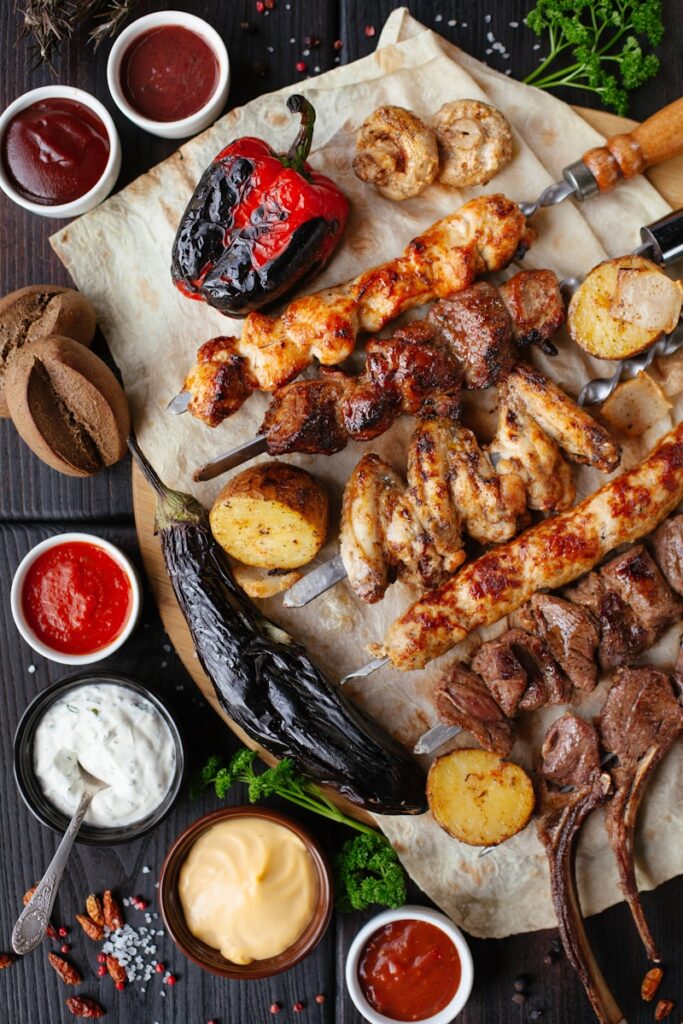
grilled meat and vegetable on the table

How Cannabis Terpenes Interact With Food Flavors

Terpenes play an integral part in providing cannabis plants with their distinctive fragrance, flavor and color profiles. Furthermore, these essential compounds may offer medicinal effects like anti-inflammatory, analgesic and mood elevating properties; one such terpene found in lavender (linalool) has even been shown to be effective at alleviating anxiety symptoms.

Terpenes have long been used in aromatherapy and culinary industries. Additionally, they’re found in cleaning products and natural pesticides; and are even used to add flavor to food and beverages – such as adding limonene to citrus fruits or cannabis for instance.

As well as offering therapeutic properties, terpenes have also become increasingly integrated into the cannabis industry. One such terpene – beta-caryophyllene – can be found in spices and herbs like oregano, basil, rosemary, cloves and lavender; additionally it’s one of the primary components that gives black pepper its spicy peppery aroma and taste.

Researchers have paid considerable attention to phytocannabinoids; however, the potential synergy between terpenes and cannabinoids has gone largely unreported due to being studied independently of each other rather than together.

How Cannabis Terpenes Interact With Cannabinoids

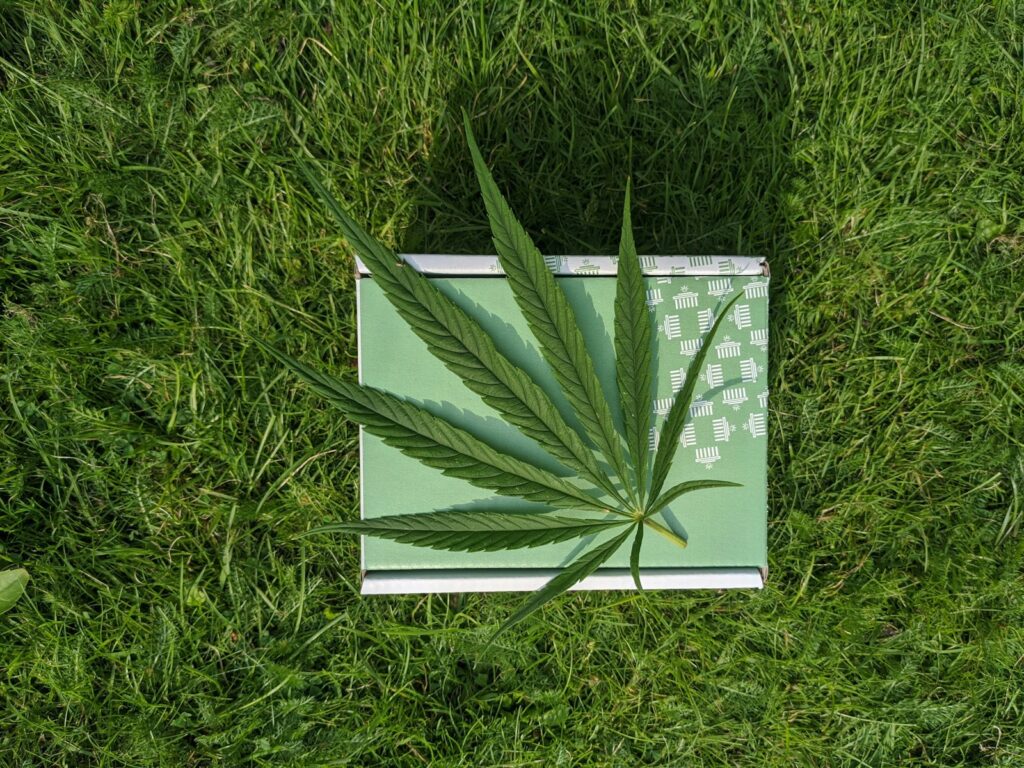
white and green book on green grass

Cannabis terpenes work synergistically with cannabinoids to produce therapeutic effects. While certain terpenes produce unique aromas and flavors, others may offer anti-inflammatory benefits, promote sleepiness or increase appetite. Research has also indicated that certain terpenes may help alleviate pain through interaction with the endocannabinoid system, mimicking cannabinoid’s effects.

Terpenes can create what’s known as the entourage effect when combined with cannabinoids, meaning their combined effects exceed that of any single component of a cannabis plant – cannabinoids, terpenes and minor cannabinoids alike. Linalool from lavender provides antianxiety properties which enhance CBD’s soothing therapeutic benefits for an overall more effective therapeutic experience.

Terpenes can also improve the efficacy of phytocannabinoids by modulating their receptor activity, an essential step since studies have often demonstrated that phytocannabinoids like THC do not effectively alleviate chronic pain relief without burdensome psychoactive side effects. By augmenting phytocannabinoids’ therapeutic potential through interactions with terpenes, researchers may develop more effective and safer treatments for multiple conditions.

How Cannabis Terpenes Interact With Other Chemicals

Cannabis terpenes indole, limonene, pinene and -caryophyllene have demonstrated antidepressant and anti-anxiety effects; Humulene reduces asthma inflammation while A-Pinene stimulates mental alertness according to research published in Frontiers in Pharmacology. Furthermore, other terpenes such as Borneol and Caryophyllene work synergistically with curcumin and Baicalein to induce Apoptosis of human Melanoma cells.

While much research focuses on individual terpenes’ health benefits, little is understood regarding their interactions. Linalool from lavender is well-known for its antianxiety effects while a-pinene from rosemary may provide soothing and stimulating qualities. If researchers were able to gain an understanding of how various terpenes work with THC phytocannabinoids such as THC together, pain-relief treatments that require lower doses with minimal side effects might become available.

Terpenes can be found in sticky glands called trichomes found on cannabis flowers, leaves and stems and roots; their extract is collected using solvent-based or solvent-less extraction techniques; however, their fate during processing remains a mystery; many consumers opt to make their own cannabis-infused products by purchasing raw flowers at dispensaries and then creating oil from scratch themselves in order to experiment with various terpene profiles until finding one they find most appealing.

How Cannabis Terpenes Interact With Foods

Though cannabis has gained much attention for its psychoactive and pharmacological properties, including THC and CBD, cannabis is actually a complex biosynthetic plant producing hundreds of phytochemicals; among these are terpenes which have proven useful against both infectious and chronic illnesses.

Terpenes found in cannabis plants are aromatic isoprenoids known as terpenes that produce various physiological and behavioral effects. Most studies on terpenes have examined their aromatic characteristics as well as potential health benefits like anti-inflammatory, antibacterial, antiviral, antioxidant and antitumor activities.

However, there has been increasing research interest in how these molecules act as synergistic or entourage compounds to cannabinoids and their effects. This is particularly the case for minor terpenes (those present at lower concentration in cannabis plants by mass) which possess unique therapeutic profiles and have demonstrated bioactivities either independently or when combined with cannabinoids.

Linalool, found in lavender, can provide antianxiety effects; while rosemary contains a-pinene which boosts mental alertness. Unfortunately not all terpenes are safe to consume as some have been linked with allergies such as skin or inhalation sensitivities. Therefore many individuals opt to make their own cannabis oil using fresh, whole flowers from a dispensary in order to replicate as close an experience as possible in terms of terpene ratios.

How to Pair a Steak with Cannabis

Pairing cannabis with steak is about enhancing flavors, aromas, and the overall dining experience. The right strain can complement the richness of the meat, balance seasoning, and elevate enjoyment. This guide explains how to match cannabis with steak based on terpenes, flavors, and effects.

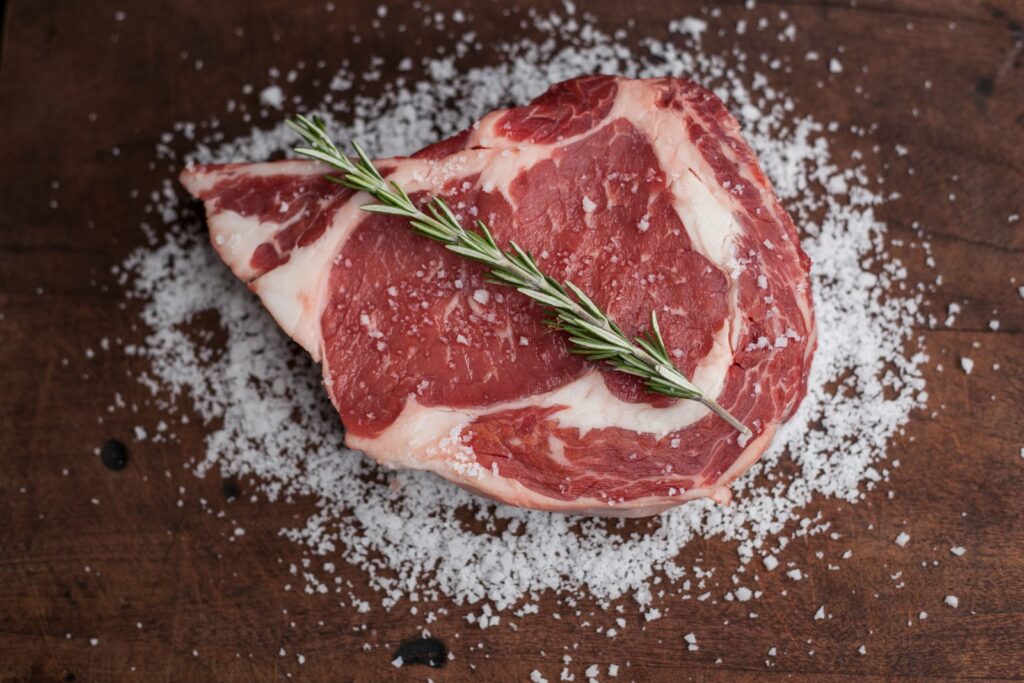
raw meat on brown wooden table

Understanding Flavor Pairing

Steak has deep, rich flavors. Fat content, seasoning, and cooking methods affect the final taste. Cannabis, like wine, has complex profiles that interact with food. The key to a good pairing is terpene matching—aligning cannabis flavors with steak elements.

Terpenes That Work Well with Steak

Terpenes are aromatic compounds in cannabis that define its smell and taste. Certain terpenes pair well with steak:

  • Myrcene – Earthy, musky, and herbal. Found in strains like Granddaddy Purple, it complements grilled or smoked meats.
  • Limonene – Bright, citrusy, and refreshing. Found in strains like Super Lemon Haze, it cuts through fatty richness.
  • Caryophyllene – Spicy, peppery, and bold. Found in strains like Girl Scout Cookies, it enhances black pepper and seasoning.
  • Pinene – Pine-like, fresh, and herbal. Found in strains like Jack Herer, it pairs well with rosemary, thyme, and garlic.

Best Cannabis Strains for Steak

For Grilled Steak

Grilled steak has a smoky, charred flavor. The best strains should complement the smokiness while adding depth.

  • OG Kush – Earthy and piney, balances smoky flavors.
  • Sour Diesel – Pungent and citrusy, enhances grilled notes.
  • Granddaddy Purple – Herbal and fruity, smooths out charred flavors.

For Pan-Seared Steak

Pan-seared steak is rich, buttery, and caramelized. It needs a cannabis strain that matches its intensity.

  • GSC (Girl Scout Cookies) – Sweet, spicy, and earthy, aligns with seared crust.
  • Jack Herer – Piney and citrusy, balances buttery texture.
  • Durban Poison – Herbal and slightly sweet, enhances pan-seared depth.

For Steak with Bold Seasoning

If you use garlic, pepper, or spices, pick a strain that won’t clash.

  • Blue Dream – Berry-sweet and herbal, balances heavy seasoning.
  • White Widow – Fresh and piney, works with pepper and garlic.
  • Maui Wowie – Tropical and citrusy, refreshes spiced flavors.

Matching Cannabis Effects to the Dining Experience

Pairing isn’t just about flavor. Effects matter too. A steak dinner is often relaxing, indulgent, and satisfying. Choose strains that match the mood.

  • Indica Strains – Great for an evening meal, helping with relaxation.
  • Sativa Strains – Good for social gatherings, keeping energy up.
  • Hybrids – Best for balance, offering relaxation without being too sedative.

Best Indica Strains for Steak

Indicas provide deep relaxation. Ideal for a heavy, late dinner.

  • Granddaddy Purple – Helps digestion, pairs with grilled meats.
  • Northern Lights – Eases stress, smooths out strong flavors.
  • Bubba Kush – Rich, earthy, and perfect for a slow meal.

Best Sativa Strains for Steak

Sativas keep the experience lively. Good for social meals or daytime dining.

  • Sour Diesel – Uplifting, pairs with smoky flavors.
  • Jack Herer – Bright and herbal, balances heavy seasoning.
  • Super Lemon Haze – Citrusy, cuts through fatty richness.

Best Hybrid Strains for Steak

Hybrids provide balance. Ideal for a well-rounded dining experience.

  • GSC (Girl Scout Cookies) – Spicy, sweet, and relaxing.
  • Blue Dream – Berry, herbal, and good for a long meal.
  • Wedding Cake – Rich, creamy, and slightly sedative.

How to Consume Cannabis with Steak

The way you consume cannabis affects the experience. Options include:

Smoking or Vaping

  • Provides immediate effects.
  • Allows you to control dosage during the meal.
  • Enhances the aroma while eating.

Cannabis-Infused Steak Butter

  • Melt butter with cannabis oil or decarboxylated flower.
  • Adds richness to the steak.
  • Provides a slow, steady high.

Cannabis-Infused Steak Marinade

  • Infuse olive oil with cannabis before marinating.
  • Enhances flavor with a mild cannabis note.
  • Creates a full-bodied experience.

Cannabis-Infused Wine or Cocktails

  • Pairs well with steak.
  • Helps create a well-rounded dinner.
  • Provides a unique sensory combination.

Best Side Dishes for Cannabis & Steak Pairing

The right sides complete the experience. Choose sides that work with both steak and cannabis flavors.

Best Sides for Earthy Cannabis Strains (Myrcene, Pinene, Caryophyllene)

  • Roasted mushrooms
  • Garlic mashed potatoes
  • Grilled asparagus

Best Sides for Citrusy Cannabis Strains (Limonene, Terpinolene)

  • Citrus salad
  • Sweet potato fries
  • Creamed spinach

Best Sides for Spicy Cannabis Strains (Caryophyllene, Linalool)

  • Black peppercorn sauce
  • Chimichurri
  • Caramelized onions

Final Thoughts

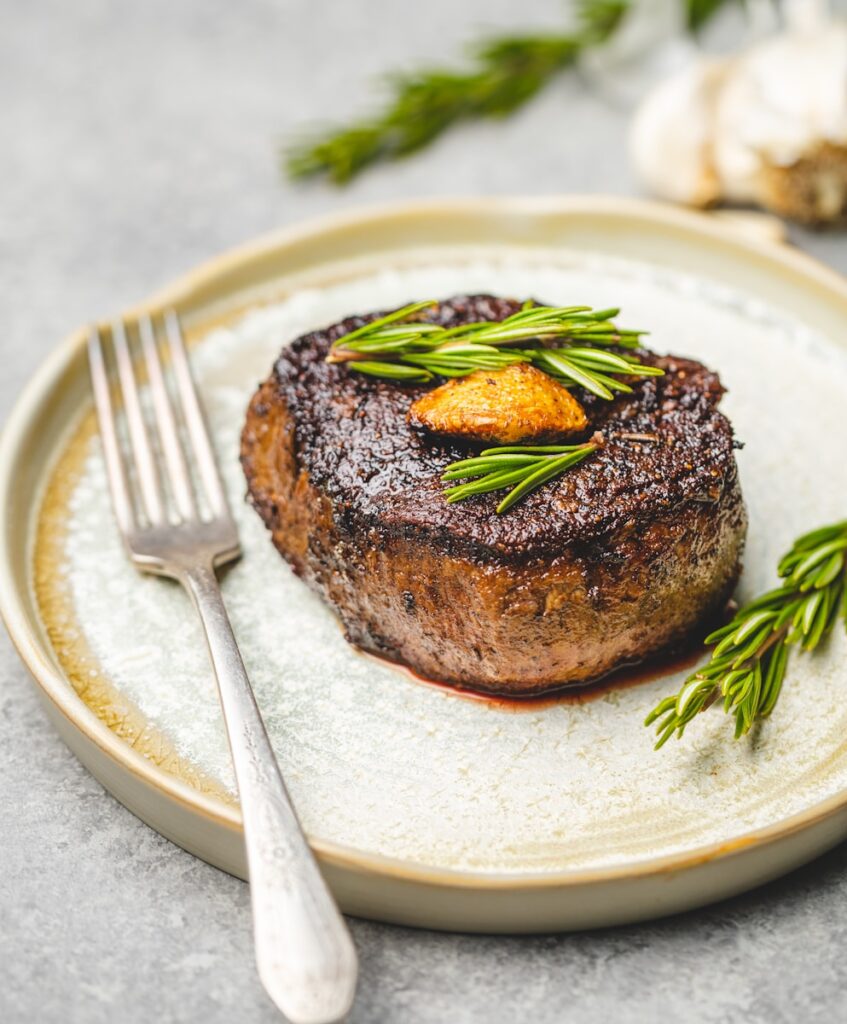
beef steak with fork

Pairing cannabis with steak enhances flavors, effects, and the overall dining experience. Consider terpenes, strain effects, and cooking methods to find the perfect match. Whether you smoke, vape, or infuse cannabis into your dish, the right combination will elevate your meal.

Experiment with different strains, flavors, and preparations to find your favorite pairing.